
Vehicle safety is one of the most important priorities for car manufacturers when designing and producing modern automobiles. Before a vehicle reaches customers, it goes through extensive safety testing to ensure it can protect passengers, reduce injury risks, and perform reliably in different driving conditions.
Car manufacturers use advanced technologies, engineering methods, simulations, and real-world tests to evaluate vehicle safety. These tests examine different aspects of a car, including crash protection, braking performance, structural strength, electronic safety systems, and passenger protection features.
Understanding how car manufacturers test safety helps consumers recognize the amount of research and development involved in creating safer vehicles. Modern cars are designed not only to provide comfort and performance but also to protect drivers, passengers, and pedestrians.
Importance of Vehicle Safety Testing
Vehicle safety testing helps manufacturers identify weaknesses and improve vehicle designs before mass production. A car must meet strict safety requirements to ensure it performs effectively during emergencies and accidents.
Safety testing allows engineers to study how vehicles respond to different situations, such as collisions, sudden braking, extreme weather conditions, and unexpected road challenges.
The main goal of safety testing is to reduce injuries and improve survival chances during accidents. Manufacturers continuously develop better safety technologies to create vehicles that offer stronger protection.
Without detailed testing, potential safety problems may remain unnoticed, creating risks for drivers and passengers.
Computer Simulations Before Physical Testing
Modern vehicle safety testing often begins with advanced computer simulations. These digital tests allow engineers to analyze vehicle performance before building physical prototypes.
Computer simulations help manufacturers study crash scenarios, vehicle structures, and passenger protection systems.
Engineers can test different designs virtually and identify areas that need improvement. This process saves time and resources while allowing manufacturers to explore multiple safety solutions.
Simulation technology helps predict how materials and components will react during different types of accidents.
Although computer testing is valuable, physical testing remains necessary to confirm real-world performance.
Crash Testing and Vehicle Impact Tests
Crash testing is one of the most recognized methods used to evaluate vehicle safety.
During crash tests, specially prepared vehicles are tested under controlled conditions to understand how they perform during collisions.
Manufacturers examine different accident situations, including front impacts, side collisions, rear impacts, and rollover situations.
Crash tests help engineers understand how vehicle structures absorb energy and protect occupants.
Advanced testing equipment collects information about impact forces, vehicle movement, and passenger protection levels.
These results help manufacturers improve vehicle designs and strengthen safety features.
Frontal Crash Testing
Frontal crash testing evaluates how a vehicle performs when the front portion experiences an impact.
Engineers analyze how the vehicle structure absorbs collision energy and how effectively safety systems protect passengers.
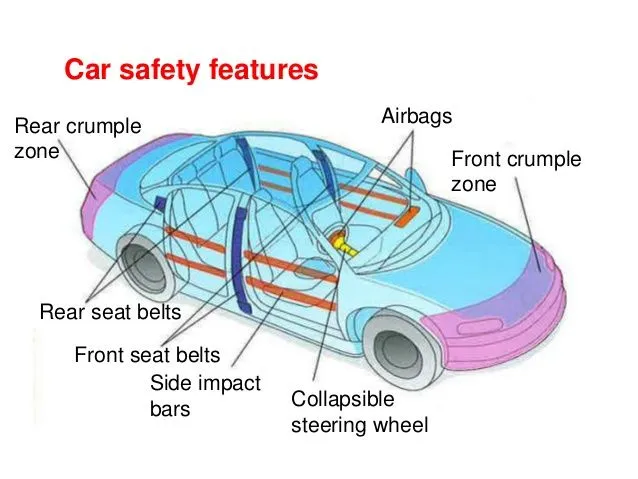
Important components tested during frontal impacts include airbags, seat belts, crumple zones, and the strength of the passenger cabin.
A well-designed vehicle should reduce the force transferred to occupants during a crash.
Frontal crash tests provide valuable information for improving vehicle safety engineering.
Side Impact Testing
Side collisions can be dangerous because vehicles have less space to absorb impact compared to front collisions.
Side impact tests evaluate how well a vehicle protects passengers when another object or vehicle hits the side.
Manufacturers examine door strength, side airbags, protective structures, and passenger compartment stability.
These tests help improve designs that reduce injuries during side crashes.
Side protection has become an important part of modern vehicle safety development.
Rollover Safety Testing
Rollover accidents can create serious safety risks, especially for vehicles with higher centers of gravity.
Rollover testing evaluates vehicle stability and protection during situations where a vehicle may lose balance.
Manufacturers test roof strength, electronic stability systems, and structural protection.
Strong roof designs help protect passengers if a vehicle overturns.
Electronic safety features can also reduce the chances of rollover situations by improving vehicle control.
Testing Airbags and Seat Belt Systems
Airbags and seat belts are important safety features designed to reduce injuries during collisions.
Manufacturers conduct detailed tests to ensure these systems activate correctly and provide effective protection.
Airbag testing examines deployment speed, positioning, and performance during different crash conditions.
Seat belt testing evaluates strength, durability, and the ability to properly restrain passengers.
Engineers carefully adjust these systems because incorrect performance can affect passenger safety.
Evaluating Advanced Driver Assistance Systems
Modern vehicles include advanced safety technologies designed to help prevent accidents.
Driver assistance systems such as automatic emergency braking, lane assistance, adaptive cruise control, and blind-spot monitoring require extensive testing.
Manufacturers test these systems in different driving environments to ensure accurate performance.
Sensors, cameras, and software must work together effectively to identify risks and respond appropriately.
Testing these technologies helps improve reliability and build driver confidence.
Testing Braking Performance
Braking systems are essential for vehicle safety because they help drivers avoid collisions.
Manufacturers test braking performance under different conditions, including high speeds, wet roads, emergency situations, and heavy loads.
Engineers evaluate stopping distance, brake response, stability, and system durability.
Modern braking technologies are tested to ensure consistent performance in various environments.
Reliable braking systems play a major role in preventing accidents.
Weather and Environmental Testing
Vehicles must perform safely in different weather and environmental conditions.
Manufacturers conduct tests in extreme temperatures, heavy rain, snow, and dusty environments.
These tests evaluate engine performance, electrical systems, tires, brakes, and safety features.
A vehicle designed for global markets must handle different climates and road conditions.
Environmental testing ensures vehicles remain reliable throughout their lifespan.
Pedestrian Safety Testing
Vehicle safety testing is not limited to passengers inside the car. Manufacturers also evaluate how vehicles protect pedestrians.
Pedestrian safety tests examine vehicle designs, including front structures, bumpers, and external components.
Engineers study how different areas of a vehicle may affect pedestrian injuries during accidents.
Improving pedestrian protection has become an important part of modern vehicle design.
Testing Vehicle Materials and Structure
The materials used in a vehicle directly influence safety performance.
Manufacturers test different materials to create strong yet lightweight vehicle structures.
High-strength materials help improve crash protection while maintaining efficiency.
Engineers analyze how vehicle frames, panels, and safety components perform under pressure.
A strong vehicle structure helps protect passengers by maintaining the integrity of the passenger area during collisions.
Real-World Driving Tests
Although laboratory testing provides important information, manufacturers also conduct real-world driving tests.
Test drivers operate vehicles in different conditions to evaluate handling, comfort, reliability, and safety performance.
These tests help identify issues that may not appear during controlled experiments.
Real-world testing provides valuable feedback for improving final vehicle designs.
Role of Safety Ratings
Vehicle safety ratings help consumers understand how well a car performs in safety tests.
Independent safety organizations evaluate vehicles using different testing methods and provide safety scores.
These ratings encourage manufacturers to improve safety features and create better-performing vehicles.
Consumers can use safety ratings as one factor when choosing a vehicle.
Continuous Improvement in Vehicle Safety
Vehicle safety technology continues to improve as manufacturers develop new solutions.
Future vehicles are expected to include more advanced driver assistance systems, improved materials, and smarter safety technologies.
Manufacturers continuously analyze accident data and research findings to improve vehicle protection.
Safety testing is an ongoing process that evolves with changing technology and driving environments.
Frequently Asked Questions (FAQs)
Why do car manufacturers perform safety tests?
Car manufacturers perform safety tests to identify risks, improve vehicle designs, and ensure better protection for drivers and passengers.
What is the most common vehicle safety test?
Crash testing is one of the most common and important vehicle safety tests used to evaluate collision protection.
How do modern safety systems get tested?
Advanced safety systems are tested through simulations, controlled environments, and real-world driving conditions.
Conclusion
Car manufacturers invest significant time and resources in vehicle safety testing to create safer transportation systems. From crash tests and braking evaluations to advanced technology testing and environmental checks, every aspect of a vehicle is carefully examined.
Safety testing helps engineers improve vehicle structures, develop better protection systems, and reduce risks for drivers, passengers, and pedestrians.
As automotive technology continues to advance, safety testing will remain a crucial part of vehicle development. The goal is not only to build cars that perform well but also to create vehicles that provide maximum protection and confidence on the road.