
Buying a car is a major financial decision, and understanding car warranty basics helps owners protect their investment. A car warranty provides coverage for specific repairs and replacements when certain problems occur within a defined period or mileage limit.
Many new and experienced car owners have questions about what a warranty covers, how long it lasts, and how it differs from insurance. Knowing these details can help avoid unexpected repair expenses and ensure better vehicle maintenance.
A warranty is not just a document provided during a vehicle purchase; it is an important support system that gives car owners confidence and financial protection against manufacturing-related issues.
What Is a Car Warranty?
A car warranty is a promise made by the vehicle manufacturer or warranty provider to repair or replace certain vehicle components if they fail due to covered issues.
The warranty usually applies to problems caused by manufacturing defects or material failures rather than damage caused by accidents, misuse, or improper maintenance.
Each warranty has specific terms and conditions that explain what is included, how long coverage remains active, and what responsibilities the owner must follow.
Understanding these terms helps car owners use warranty benefits effectively.
Why Car Warranties Are Important
Car repairs can sometimes become expensive, especially when major components such as engines, transmissions, or electronic systems develop problems.
A warranty reduces financial pressure by covering eligible repair costs during the warranty period.
For new car owners, warranties provide confidence that unexpected manufacturing issues will be handled without significant expenses.
A warranty also reflects the manufacturer’s trust in the quality and reliability of its vehicles.
By offering warranty coverage, manufacturers demonstrate their commitment to customer satisfaction.
Different Types of Car Warranties
Car warranties are available in different forms depending on the vehicle manufacturer and coverage requirements.
The most common type is the manufacturer warranty, which comes with a new vehicle purchase. It covers specific repairs during the initial ownership period.
Extended warranties provide additional coverage after the original warranty expires. These are usually purchased separately and may cover selected components for a longer duration.
Some warranties focus on specific vehicle parts, such as batteries, tires, paint, or corrosion protection.
Understanding different warranty types helps owners choose suitable protection according to their needs.
New Car Manufacturer Warranty
A new car warranty is provided by the manufacturer when a vehicle is purchased.
This warranty generally covers defects related to vehicle manufacturing and certain components.
Coverage periods vary depending on the manufacturer, vehicle model, and market conditions.
During the warranty period, authorized service centers typically perform covered repairs without charging the owner for eligible parts and labor.
However, owners must follow maintenance requirements and warranty guidelines to keep the coverage valid.
Extended Car Warranty Explained
An extended warranty provides additional protection after the original manufacturer warranty ends.
Many car owners choose extended warranties because repair costs may increase as vehicles become older.
Extended warranties can cover specific mechanical and electrical components depending on the selected plan.
Before purchasing an extended warranty, owners should carefully review coverage details, exclusions, repair limits, and service conditions.
A suitable extended warranty can provide additional financial security, but it is important to understand exactly what benefits are included.
What Does a Car Warranty Usually Cover?
Car warranty coverage depends on the type of warranty and its terms. Many warranties cover major mechanical and electrical components affected by manufacturing problems.
Commonly covered areas may include engine components, transmission systems, electrical systems, and certain vehicle parts.
Some warranties may also provide coverage for specific features such as entertainment systems or advanced technology components.
However, regular maintenance items are usually not covered under standard warranties.
Car owners should always review warranty documents to understand included benefits.
What Is Usually Not Covered Under Warranty?
A car warranty does not cover every type of repair or damage.
Problems caused by accidents, misuse, neglect, unauthorized modifications, or improper maintenance are generally excluded.
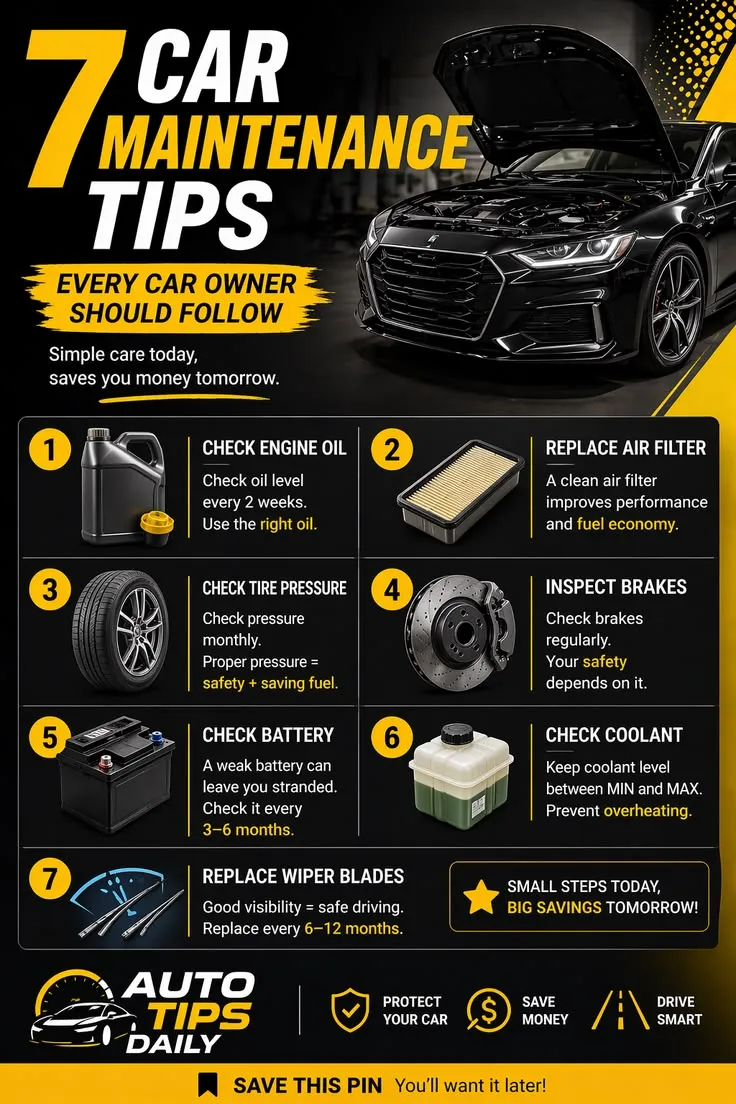
Regular wear-and-tear items such as tires, brake pads, filters, and certain fluids usually require replacement by the owner.
Damage caused by environmental conditions, improper use, or lack of maintenance may also fall outside warranty coverage.
Understanding exclusions prevents confusion when requesting warranty services.
Difference Between Car Warranty and Car Insurance
Many people confuse car warranties with insurance, but they serve different purposes.
A car warranty mainly covers manufacturing defects and certain mechanical failures. It focuses on problems related to vehicle components.
Car insurance provides financial protection against accidents, theft, natural disasters, and other unexpected events.
Insurance helps cover damages caused by external situations, while warranties support repairs related to covered vehicle issues.
Both warranty and insurance play important roles in protecting vehicle ownership.
Importance of Following Maintenance Requirements
Maintaining a vehicle properly is essential for keeping warranty coverage active.
Manufacturers usually require owners to follow recommended service schedules and maintenance guidelines.
Regular servicing helps identify potential problems early and keeps the vehicle operating efficiently.
Failure to maintain the vehicle properly may affect warranty claims.
Keeping service records, repair receipts, and maintenance documents is useful when requesting warranty support.
How to Make a Warranty Claim
When a vehicle develops a problem covered under warranty, owners should contact an authorized service center.
The service provider will inspect the vehicle and determine whether the issue qualifies for warranty coverage.
Owners may need to provide vehicle details, maintenance records, and warranty information.
If the repair is approved, the covered work is completed according to warranty terms.
Understanding the claim process helps owners avoid delays and confusion.
Tips for Choosing the Right Warranty Coverage
Before selecting a warranty plan, car owners should evaluate their driving habits, vehicle age, and expected ownership period.
It is important to compare coverage options and understand what components are included.
Owners should check repair limitations, service locations, claim procedures, and exclusions.
Choosing the cheapest option is not always the best decision. The quality and reliability of coverage matter more than only the price.
A suitable warranty should provide useful protection based on individual needs.
Benefits of Understanding Warranty Terms
Reading and understanding warranty terms helps owners make better decisions.
It prevents misunderstandings about covered repairs, maintenance responsibilities, and claim requirements.
Knowledge about warranty conditions allows owners to use available benefits effectively.
It also helps avoid unnecessary repair expenses by identifying which problems may qualify for coverage.
Being informed makes vehicle ownership easier and more predictable.
Common Mistakes Car Owners Make About Warranties
Many car owners assume that every repair is covered under warranty, which can lead to disappointment.
Another common mistake is ignoring maintenance schedules or failing to keep service records.
Some owners purchase extended warranties without understanding coverage limitations.
Carefully reviewing warranty details and asking questions before making decisions can help avoid these mistakes.
Future of Car Warranty Coverage
As vehicles become more advanced, warranty coverage is also changing.
Modern cars include advanced electronics, software systems, electric components, and connected technologies.
Manufacturers are adapting warranty programs to address these new technologies.
Electric vehicles and smart vehicle systems may require specialized warranty coverage due to their unique components.
The future of warranties will likely focus on supporting advanced automotive technologies and improving customer confidence.
Frequently Asked Questions (FAQs)
How long does a car warranty last?
The duration of a car warranty depends on the manufacturer, vehicle model, and warranty type. Coverage usually has both time and mileage limits.
Does a warranty cover regular maintenance?
Most standard warranties do not cover regular maintenance items such as oil changes, filters, and brake replacements.
Can warranty coverage be extended?
Yes, many manufacturers and providers offer extended warranty options for additional protection.
Conclusion
Understanding car warranty basics is essential for every vehicle owner. A warranty provides valuable protection against certain repair costs and helps owners maintain confidence in their vehicle.
Knowing what a warranty covers, what it excludes, and how to use it properly can prevent unexpected expenses and improve the ownership experience.
By following maintenance requirements, keeping records, and choosing suitable coverage, car owners can maximize the benefits of their warranty and enjoy safer, more convenient vehicle ownership. A well-understood warranty is an important part of responsible car ownership and long-term vehicle care.