
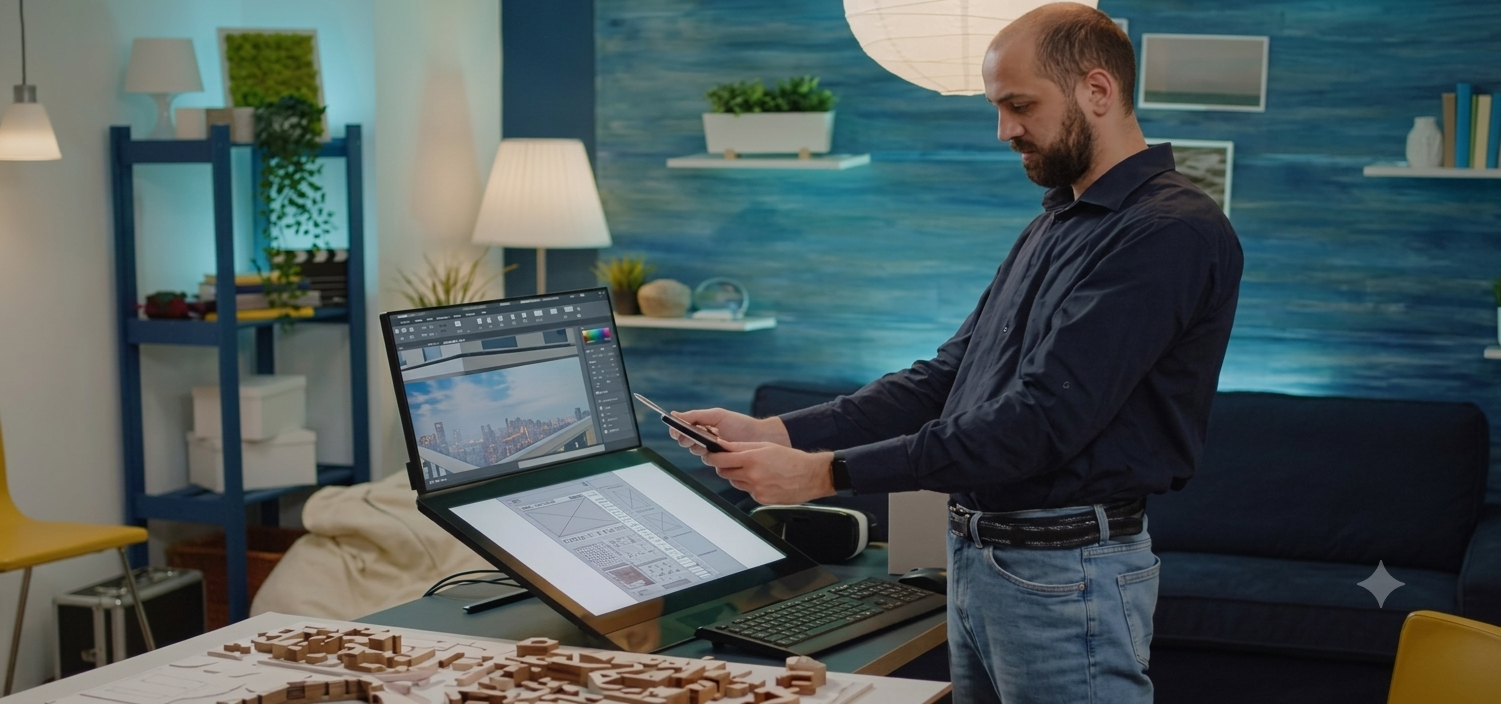
Properties move fast today. Prospective home buyers scroll listing sites for weeks before picking up a phone. A bad photo turns prospective clients away instantly. Clear visual presentation is not a bonus anymore; it is vital. Top realtors turn to modern tech to show homes properly. Smart tools allow agents to grab attention, build buyer trust, and close sales quickly.
Daily real estate work looks different now. Agents do not depend solely on open house events or physical paper forms. They use digital options to speed up daily tasks. Modern platforms offer crisp pictures, automated listing tasks, and simple client management. Using these flexible tools lets realtors reach far more people while keeping costs down.
Shift to Web-First Real Estate Marketing
Online search portals dictate how property shoppers interact with new home listings. Buyers inspect detailed photo collections closely before requesting a private walkthrough. Clear images, realistic spatial setups, and attractive decor serve as the foundation of successful real estate marketing.
Adopting an automated virtual staging strategy helps realtors connect web browsing with in-person visits. Content with clear, well-aligned room photos encourages site users to stay on pages longer. Extended page viewing times reliably increase open house attendance, spark buyer inquiries, and accelerate overall transaction agreements.
Analytics platforms record user engagement across every photo published to listing pages. Agents track viewer response data to determine which interior themes perform best. Swapping out lead cover photos based on actual buyer interest increases page clicks without adding extra advertising expenses.
Furthermore, digital listings publish across multiple web distribution networks in moments. Updated photo sets reach thousands of active buyers instantly, creating strong initial momentum that encourages competitive offers.
Solving Vacant Space Layout Challenges
Bare properties create serious presentation hurdles during real estate sales campaigns. Unfurnished rooms often look small, dark, and difficult to evaluate accurately. Meanwhile, dated or crowded physical furniture stops buyers from appreciating a home’s genuine floor plan.
Leveraging an AI virtual staging service resolves spatial layout challenges without friction. Instead of spending thousands on physical furniture rentals, agents place digital decor directly into empty room photos. Smart rendering engines highlight architectural focal points, establish realistic proportions, and generate sharp visual output.
Bare room photography often fails to communicate accurate spatial dimensions. Prospective buyers wonder if standard dining sets or king beds fit given floor plans. Virtual decor answers these questions instantly, proving room functionality without requiring manual labor or delivery trucks.
Thoughtful visual styling converts plain areas into inviting living spaces. Rather than viewing plain drywall, buyers imagine daily life inside the home. Establishing this immediate emotional link keeps prospective buyers engaged throughout the purchasing journey.
Streamlining Operational Workflows
Managing multiple property listings simultaneously requires exceptional workplace efficiency. Coordinating physical staging teams, tracking delivery vans, and scheduling photographers eats up hours agents should spend negotiating deals.
Relying on modern platforms like StageHQ simplifies the entire visual media production workflow. Photo edits finish within minutes, while simple adjustments allow realtors to finalize campaign packages immediately following photo shoots.
Intelligent rendering tools adjust light balance and sharpen edges automatically. Real estate professionals produce polished, market-ready photography without hiring external design firms or learning complicated editing software.
Rapid picture generation allows properties to launch on public portals days ahead of old timelines. Early launches capitalize on peak initial search interest, building momentum while buyer attention remains high.
Reducing Expenses to Protect Commissions
Unmanaged marketing costs shrink seller profits and agent margins rapidly. Traditional staging setups and lengthy photography sessions demand massive upfront capital from home sellers or brokerages. When properties stay listed for extended months, physical furniture rental charges add up quickly.
Digital staging tools provide realtors with an affordable method for achieving top-tier outcomes. Software applications generate high-quality visual assets at a small percentage of traditional staging costs. Low setup expenses allow agents to reallocate saved capital into targeted search engine ads, property video tours, or social media posts, expanding audience reach while shielding commission returns.
Physical home staging involves heavy delivery trucks, staging crews, and liability coverage for rented furniture. Digital alternatives remove these physical logistics completely, lowering operational risks and avoiding surprise charges.
Saved capital can also fund high-definition aerial media or sponsored portal placements. Strategic resource reallocation turns static marketing expenses into active lead generation channels that bring qualified buyers directly to the listing.
Building Seller Trust with Modern Tools
Beyond securing quick contracts, smart software helps agents construct durable relationships with property sellers. Homeowners expect clear proof that their chosen representative leverages modern technology to capture top market prices. Presenting an updated digital marketing strategy gives sellers complete confidence during the initial listing consultation.
Offering clear digital options proves that an agent works efficiently. When owners watch vacant rooms transform into warm digital showcases, they trust the overall sales direction. High client satisfaction yields positive reviews, direct client referrals, and continuous professional growth.
Frequent visual updates keep property owners informed across every phase of the transaction. Sellers receive detailed performance reports showing online views, image interactions, and traffic counts, ensuring total transparency throughout the sales process.
When agents demonstrate full mastery over modern digital tools, clients feel secure regarding their listing investment. Solid results build professional credibility that lasts across competitive real estate markets.
Major Staging Advantages
- Automated editing tools lower listing preparation time significantly.
- Digital presentation options remove costly furniture delivery fees.
- High-quality image galleries bring higher click rates on search sites.
- Flexible digital edits allow quick updates based on buyer feedback.
- Clean visual listings build strong seller trust during initial sales meetings.
Expanding Reach Across Digital Portals
Home searchers inspect listings across many online environments, including search portals, social feeds, and email newsletters. Every channel demands compelling visual material to retain audience focus.
High-resolution, beautifully styled photos serve as the core of successful digital advertising campaigns. Tastefully edited room images achieve superior engagement rates on social channels, directing continuous user traffic back to the primary listing page.
Maintaining uniform visual quality across all public channels strengthens an agent’s personal brand identity. A clean presentation demonstrates to prospective sellers and buyers that the agent operates at top professional standards.
Rich visual assets improve digital listing packets and interactive email campaigns as well. Eye-catching interior layouts prompt recipients to click through, turning casual viewers into scheduled property visits.
Practical Steps for Virtual Decor Success
Reaching optimal outcomes with digital staging software begins with quality baseline photography. Bright, well-lit, wide-angle photos provide the best canvas for accurate virtual furniture placement.
Ensuring correct sizing for virtual decor items is essential for realistic presentation. Scale digital items carefully so furniture fits doorways, window frames, and ceiling lines naturally.
Maintaining complete transparency regarding virtual staging is critical for professional integrity. Declaring digital enhancements clearly in listing notes protects buyer trust while illustrating the full potential of the home.
Combining staged interior photos with detailed floor plans gives remote buyers a complete understanding of home flow, generating higher quality inquiries from truly interested buyers.
Key Technical Software Capabilities
- Simple software platforms make uploading photos and applying edits smooth.
- Scalable picture processing keeps photo quality consistent across all listings.
- Automated light balancing creates realistic, clear interior photos every time.
- Multiple decor choices fit varying local buyer tastes with ease.
- High-resolution image files work great for print materials and online portals.
Growing Market Share with Technology
Standing out in competitive real estate environments demands innovation. Top realtors build their industry reputation by adopting modern tech that delivers quick turnarounds and high-caliber property photos.
Including smart digital staging options in standard listing packages elevates an agent’s market value. Property owners actively choose tech-fluent agents who navigate current digital sales channels efficiently.
A distinct visual identity sets top real estate specialists apart from local competitors. Exceptional portfolio imagery showcases a clear commitment to quality, making listing presentations vastly more compelling.
Adopting efficient digital workflows transforms traditional real estate promotion into a modern, scalable business model designed for ongoing long-term growth.
Strategic Outlook for Real Estate Promotion
Integrating digital imaging software represents just the first phase of a broader technology shift in real estate sales. Interactive walkthroughs, automated floor plan rendering, and data-driven marketing continue to modernize traditional property sales frameworks. Specialists who adopt these tools early secure a clear lead over slower competitors.
Buyer expectations will continue favoring online visual clarity and digital convenience. Providing buyers with comprehensive visual information before in-person visits saves time for everyone involved. This shift increases the percentage of serious, ready-to-buy clients who visit physical open houses.
Sustained success in evolving markets relies on adaptability and technology adoption. By upgrading traditional listing methods with modern software tools, property specialists improve efficiency while lowering overhead. Embracing smart digital workflows ensures consistent sales success regardless of market conditions.
Conclusion
Using modern tech helps real estate pros streamline listing work, cut operating costs, and catch home buyer attention right away. Digital tools solve spatial layout challenges without requiring heavy physical arrangements. Adding smart visual solutions to a marketing plan raises overall image quality, increases user interaction, and completes sales rapidly. To refine listing presentations, maximize buyer interest, and accelerate business growth, explore how stagehq.ai transforms real estate marketing today.
 Adrian