
Choosing the right travel activities can transform an ordinary trip into a memorable experience. Every destination offers different opportunities, from adventure and cultural exploration to relaxation and local experiences. However, selecting activities that match your interests, budget, time, and travel style requires proper planning.
Many travelers make the mistake of creating overloaded itineraries or choosing activities only because they are popular. A better approach is to understand personal preferences and research available options before making decisions.
Learning how to choose travel activities helps travelers create balanced trips that offer enjoyment, comfort, and meaningful experiences. Whether planning a family vacation, solo journey, couple’s getaway, or adventure trip, selecting suitable activities is an important part of successful travel planning.
Understand Your Travel Style and Interests
The first step in choosing travel activities is understanding your personal travel style.
Every traveler has different preferences. Some people enjoy adventure activities such as hiking, water sports, and outdoor experiences, while others prefer relaxing vacations with beaches, nature, and peaceful environments.
Some travelers enjoy learning about history, culture, and local traditions, while others prefer shopping, food experiences, or entertainment.
Before selecting activities, consider what type of experiences make you excited. Understanding your interests helps create a trip that feels enjoyable rather than stressful.
Research Your Destination Before Planning Activities
Every destination has unique attractions, landscapes, and experiences. Researching your destination helps you discover activities that match your expectations.
Learn about local attractions, weather conditions, cultural experiences, transportation options, and popular activities.
Destination research also helps you understand which activities are suitable for different seasons.
For example, outdoor activities may be better during favorable weather conditions, while museums and indoor attractions may be ideal during rainy seasons.
Proper research allows travelers to make informed decisions and avoid missing important experiences.
Consider Your Travel Budget
Budget plays an important role when selecting travel activities.
Some experiences may be free or low-cost, while others require significant expenses. Creating an activity budget helps you enjoy your trip without financial stress.
Consider costs such as entry fees, transportation, equipment rentals, food, and additional charges.
A balanced travel plan usually includes a combination of affordable and premium experiences.
Instead of spending all your money on one activity, choose experiences that provide meaningful value throughout your journey.
Match Activities With Available Time
Time management is essential when planning travel activities.
Many travelers try to include too many experiences in a short trip, resulting in exhaustion and limited enjoyment.
Before choosing activities, consider your total travel duration and the time required for each experience.
Some activities may take several hours or an entire day, while others can be completed quickly.
Creating a realistic schedule allows enough time to explore, relax, and enjoy each experience properly.
Choose Activities Based on Travel Companions
The people traveling with you can influence activity choices.
A family trip may require activities suitable for children and different age groups. Couples may prefer romantic experiences, while groups of friends may enjoy adventure or entertainment options.
Solo travelers often choose activities that provide exploration, learning, or opportunities to meet new people.
Considering everyone’s interests helps create a better experience for the entire group.
A successful trip includes activities that make all travelers comfortable and engaged.
Balance Adventure, Relaxation, and Exploration
A perfect trip usually includes a variety of experiences.
Too many adventurous activities can become tiring, while too much relaxation may limit exploration.
A balanced itinerary can include sightseeing, cultural experiences, local food, outdoor activities, and free time.
For example, a traveler may spend one day exploring historical attractions and another day enjoying nature or relaxing.
A balanced approach creates a more enjoyable and memorable travel experience.
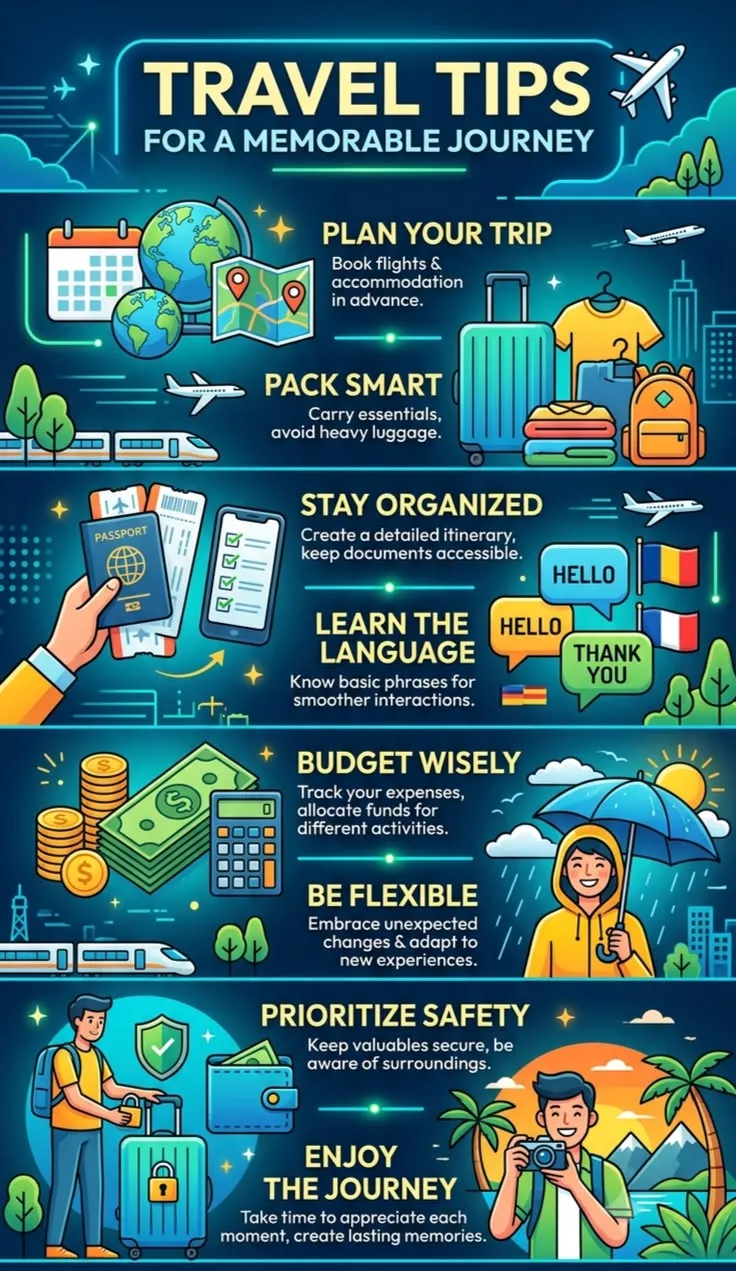
Explore Local Culture and Traditions
Cultural activities provide deeper connections with a destination.
Visiting historical sites, attending local events, exploring traditional markets, and trying regional food can help travelers understand local lifestyles.
Cultural experiences often create some of the most meaningful travel memories.
Instead of only visiting famous tourist attractions, consider activities that allow interaction with local communities.
Learning about local traditions adds more value to your journey.
Consider Safety Before Selecting Activities
Safety should always be a priority when choosing travel activities.
Research activity providers, understand safety requirements, and consider your personal comfort level.
Adventure activities may require specific skills, physical fitness, or safety equipment.
Travelers should also consider local conditions, weather risks, and necessary precautions.
Choosing safe activities ensures that your trip remains enjoyable and stress-free.
Check Reviews and Recommendations
Reviews from other travelers can provide helpful information when selecting activities.
Experiences shared by previous visitors can reveal details about quality, service, difficulty level, and overall satisfaction.
However, travelers should consider multiple opinions instead of relying on only one review.
Recommendations from trusted sources can help identify worthwhile experiences and avoid disappointing choices.
Researching before booking increases confidence in your decisions.
Avoid Following Trends Blindly
Popular activities often attract many travelers, but popularity does not always mean suitability.
An activity that is enjoyable for one person may not match another traveler’s interests.
Instead of choosing activities only because they are trending, consider whether they fit your travel goals.
Personal experiences often become more memorable when they match your preferences.
The best travel activity is one that creates enjoyment and meaningful memories for you.
Plan Some Flexible Activities
While planning is important, leaving some free time can improve your travel experience.
Unexpected opportunities, local recommendations, or weather changes may influence your plans.
A flexible schedule allows you to explore new possibilities without feeling restricted.
Free time can also help you relax and enjoy the destination at a comfortable pace.
A good travel plan includes structure along with flexibility.
Consider Seasonal Activities
Different seasons offer different travel experiences.
Some destinations are known for winter activities, while others are better during warmer months.
Research seasonal attractions and events before planning your trip.
Choosing activities according to the season improves comfort and allows you to experience destinations at their best.
Seasonal planning also helps avoid activities that may not be available during certain periods.
Use Technology for Activity Planning
Travel technology makes activity planning easier.
Travel apps, online maps, digital guides, and booking platforms help travelers discover and organize experiences.
Technology allows travelers to compare options, check availability, and manage schedules.
However, digital tools should support planning rather than replace personal research.
Combining technology with proper preparation leads to better travel decisions.
Common Mistakes When Choosing Travel Activities
Many travelers make mistakes by overplanning, ignoring budgets, or choosing activities without proper research.
Another common mistake is not considering personal interests and physical ability.
Ignoring travel time between locations can also create unnecessary stress.
Careful planning and realistic expectations help avoid these problems.
Frequently Asked Questions (FAQs)
How do I choose the best travel activities?
Choose activities based on your interests, budget, available time, travel companions, and destination features.
Should I plan every activity before traveling?
It is helpful to plan important activities, but leaving some free time allows flexibility and unexpected experiences.
How can I find unique travel experiences?
Research local culture, ask for recommendations, and explore activities beyond common tourist attractions.
Conclusion
Choosing the right travel activities is an important part of creating a successful trip. The best experiences are those that match your interests, budget, travel style, and personal expectations.
By researching destinations, considering safety, balancing different experiences, and planning wisely, travelers can create memorable journeys.
A perfect trip is not about doing the maximum number of activities; it is about choosing meaningful experiences that bring enjoyment, discovery, and lasting memories. With thoughtful planning, every traveler can create a journey that feels unique and rewarding.