
Shopping is an important part of everyday life, but without proper planning, expenses can quickly become difficult to manage. A smart shopping budget helps individuals control spending, avoid unnecessary purchases, and use their money more effectively.
Creating a shopping budget does not mean avoiding purchases completely. Instead, it helps people make thoughtful decisions by understanding their needs, setting limits, and prioritizing important expenses.
Whether shopping for groceries, clothing, electronics, household items, or personal needs, a well-planned budget allows consumers to enjoy shopping while maintaining financial stability.
Understanding the Importance of a Shopping Budget
A shopping budget is a planned amount of money set aside for purchasing goods and services. It helps people manage their expenses and prevents overspending.
Without a budget, shoppers may make impulse purchases or spend more than they can afford. A proper budget creates awareness about where money is going and helps maintain better control over finances.
Smart budgeting also supports long-term financial goals by ensuring that unnecessary shopping expenses do not affect savings or important payments.
Evaluate Your Income and Expenses
The first step in creating a smart shopping budget is understanding your overall financial situation.
Before deciding how much to spend on shopping, review your income and regular expenses such as rent, bills, transportation, food, and savings.
After covering essential expenses, you can determine how much money is available for shopping.
Understanding your financial limits helps create a realistic budget that matches your lifestyle.
A budget should always be based on actual income rather than expected money.
Identify Your Shopping Needs and Priorities
Not every purchase has the same importance. Separating needs from wants is essential for effective budgeting.
Needs include essential items required for daily life, while wants are items that provide convenience or enjoyment but are not necessary.
For example, replacing damaged household items may be a need, while buying a new product because of a trend may be a want.
Prioritizing important purchases helps prevent unnecessary spending and allows money to be used wisely.
Set a Monthly Shopping Limit
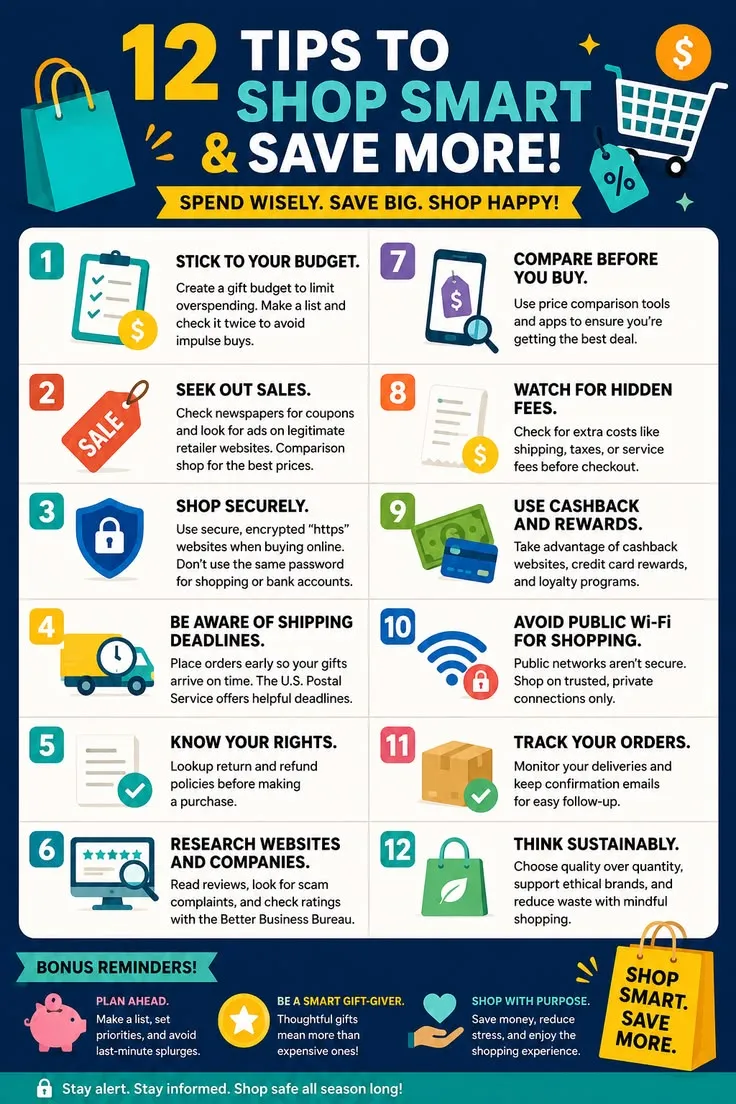
Creating a monthly spending limit is one of the most effective ways to manage shopping expenses.
Decide how much money you can comfortably spend on shopping after considering essential expenses and savings goals.
A fixed limit prevents overspending and creates financial discipline.
The budget amount can vary depending on income, lifestyle, and personal goals.
The key is to choose a realistic limit that you can maintain consistently.
Plan Purchases Before Shopping
Planning purchases in advance helps reduce unnecessary spending.
Before visiting a store or shopping online, create a list of required items.
A shopping list keeps your focus on important purchases and reduces the chances of buying products you do not need.
Planning also allows you to compare prices, search for better options, and take advantage of suitable offers.
A prepared shopper is more likely to make better financial decisions.
Avoid Impulse Buying
Impulse buying is one of the biggest challenges in maintaining a shopping budget.
Many people purchase products because of attractive advertisements, discounts, or emotional decisions.
Before buying something, ask yourself whether the product is necessary and whether it fits within your budget.
Taking time to think before purchasing can prevent unnecessary expenses.
A simple waiting period before buying expensive items can help determine whether the purchase is truly valuable.
Compare Prices Before Making Purchases
Smart shoppers compare prices before buying products.
Different sellers may offer different prices, discounts, or benefits for the same item.
Price comparison helps consumers find better deals and avoid paying more than necessary.
However, the cheapest option is not always the best choice. Consider product quality, durability, and value along with price.
The goal should be finding the right balance between cost and quality.
Use Discounts and Offers Wisely
Discounts and sales can help save money when used properly.
However, buying unnecessary items just because they are on sale can increase expenses.
Smart shoppers use offers for planned purchases rather than making extra purchases.
Before accepting a discount, consider whether the product is needed and whether the offer actually provides value.
A good deal is only useful when it supports your budget goals.
Track Your Shopping Expenses
Tracking shopping expenses helps understand spending habits.
Maintain records of purchases and review them regularly to identify areas where money may be wasted.
Expense tracking can reveal patterns, such as frequent small purchases that add up over time.
Using budgeting apps, spreadsheets, or simple notes can make tracking easier.
Awareness of spending behavior helps improve financial decisions.
Create Separate Budgets for Different Shopping Categories
Different shopping categories may require different spending limits.
For example, groceries, clothing, personal care products, and entertainment purchases can have separate budgets.
Category-based budgeting helps prevent one type of spending from affecting other important expenses.
It also makes it easier to identify where adjustments are needed.
A structured approach creates better control over overall shopping expenses.
Consider Quality Over Short-Term Savings
A smart shopping budget focuses on value rather than only low prices.
Buying low-quality products repeatedly can become more expensive over time.
Investing in durable and reliable products may provide better long-term benefits.
Consider factors such as product lifespan, maintenance costs, and performance before purchasing.
Quality-focused shopping helps save money by reducing frequent replacements.
Use Technology for Better Budget Management
Technology has made shopping and budgeting easier.
Many digital tools help track expenses, compare prices, organize shopping lists, and monitor spending habits.
Online platforms also allow consumers to research products before purchasing.
Using technology responsibly can improve budgeting decisions and make shopping more convenient.
However, digital shopping should still be approached carefully to avoid unnecessary purchases.
Manage Online Shopping Habits
Online shopping provides convenience but can also encourage overspending.
Easy access to products, personalized recommendations, and limited-time offers may influence buying decisions.
Set clear rules for online shopping, such as avoiding unnecessary browsing and purchasing only planned items.
Removing saved payment methods or setting spending limits can also help maintain control.
Responsible online shopping supports better financial habits.
Review and Adjust Your Budget Regularly
A shopping budget should not remain fixed forever.
Changes in income, lifestyle, responsibilities, or financial goals may require adjustments.
Review your budget regularly to ensure it still meets your needs.
If you notice overspending in certain areas, make necessary changes and improve your planning.
Regular evaluation keeps your budget practical and effective.
Common Mistakes While Creating a Shopping Budget
Many people create unrealistic budgets that are difficult to follow.
Another common mistake is ignoring small expenses that gradually increase total spending.
Some shoppers also fail to plan for occasional purchases, which can disturb their financial balance.
A successful budget should include flexibility while maintaining control.
Learning from mistakes helps create better spending habits.
Benefits of a Smart Shopping Budget
A smart shopping budget provides many financial benefits.
It helps reduce unnecessary expenses, improve savings, and create better money management habits.
Budgeting also reduces stress because you have a clear understanding of your spending limits.
With proper planning, shoppers can enjoy purchases without affecting important financial goals.
Smart budgeting creates a healthier relationship between spending and financial security.
Frequently Asked Questions (FAQs)
Why is a shopping budget important?
A shopping budget helps control expenses, prevent overspending, and manage money effectively.
How can I avoid unnecessary shopping expenses?
Making a shopping list, comparing prices, and avoiding impulse purchases can help reduce unnecessary spending.
Should I stop buying non-essential items completely?
No, a smart budget allows planned purchases while ensuring essential expenses and savings remain protected.
Conclusion
Creating a smart shopping budget is an effective way to improve spending habits and achieve better financial control. It allows people to enjoy shopping while making responsible decisions.
By understanding income, setting limits, planning purchases, comparing prices, and tracking expenses, consumers can avoid unnecessary spending and get better value from their money.
Smart shopping is not about spending less on everything; it is about spending wisely on things that truly matter. A well-planned shopping budget creates financial confidence and supports long-term money management goals.